

Let’s be honest about something. Most nutrition advice online is written for people half your age, with a completely different metabolism, a completely different hormonal profile and frankly a lot more time to cook elaborate meals and track their intake.
You’re not that person. And the good news is, you don’t need to be.
Eating well in your 40s and 50s is simpler than the wellness industry wants you to believe, but it is different from eating well in your 20s. Your body has changed. The rules have changed – some of the things you were told about diet and nutrition for most of your adult life turn out to be either wrong, or only partially right.
Here’s what actually matters
WHY NUTRITION CHANGES AFTER 40
Your Body Has Changed. Your Diet Should Too.
The shift that happens in your 40s doesn’t happen overnight, it’s a gradual change in the balance of several things that interact with each other. Understanding what’s happening makes it much easier to know what to do about it.
Muscle mass starts to decline and nutrition is your first line of defence
From around the age of 30, most people begin to lose muscle mass at a rate of roughly 3–5% per decade if they don’t actively work to prevent it – which can be demoralising if you’ve always looked after yourself. This process – called sarcopenia – accelerates in your 40s and 50s. It’s not just a cosmetic issue. Muscle mass is directly linked to metabolic rate, mobility, injury resilience and long-term health outcomes.
The single most important nutritional response to this is eating enough protein. Not a high-protein fad diet. Not protein powder shakes three times a day. Just making sure that protein is genuinely present at every meal, in adequate amounts, to give your body the raw materials it needs to maintain and build muscle tissue.
TLG TIP
Most people in their 40s and 50s are eating enough calories. They’re not eating enough protein. That one shift makes a bigger difference than any diet they’ve ever tried.
Metabolism slows – but less than you think
The narrative that your metabolism falls off a cliff in middle age is significantly overstated. Research published in the journal Science in 2021 found that metabolic rate remains relatively stable from your 20s through to your 60s – the real changes happen before 20 and after 60. What does change is body composition (more fat, less muscle) and activity levels, both of which affect how your body processes food.
The practical upshot: dramatic calorie restriction is not the answer and never was. Preserving and building muscle through adequate protein and resistance exercise has a far bigger impact on how your body functions in your 40s and 50s than counting calories.
Hormonal changes affect everything
For women, perimenopause and menopause bring significant hormonal shifts that affect fat distribution, energy levels, mood, sleep and bone density. For men, testosterone levels decline gradually from around 40, affecting muscle maintenance, energy and libido. These changes are real, they matter and they affect how your body responds to food.
Key nutritional considerations in response to hormonal change include: increased calcium and vitamin D for bone density, more dietary fibre for gut health & hormonal regulation and adequate protein to counteract the accelerated loss of muscle mass.
THE PROTEIN CASE
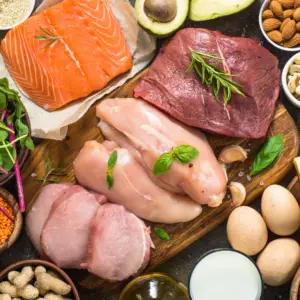
Protein: The Most Important Nutritional Shift You Can Make
If there’s one nutritional change that delivers the most value for the over-40 body, it’s this simple – eat more protein – spread it more evenly across the day – stop treating it as something only athletes need to think about.
How much protein do you actually need?
The standard recommended daily intake figures, typically around 0.8g per kilogram of body weight, were designed to prevent deficiency, not to optimise health and muscle maintenance in active adults. Most sports and nutrition scientists who work with adults over 40 now suggest a target closer to 1.2–1.6g per kilogram of body weight for people who are physically active.
For a 75kg person, that’s roughly 90–120g of protein per day. That’s achievable with real food, but it does require actually thinking about it. A typical breakfast of toast and coffee, a lunch at your desk of a sandwich and pasta for dinner probably isn’t getting you there.
Practical protein sources – no gym-bro required
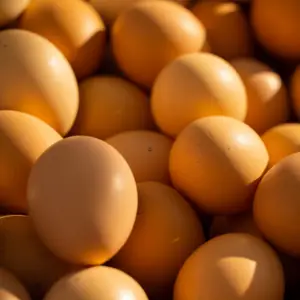
- Eggs – one of the most easily available and cost effective protein sources and endlessly versatile
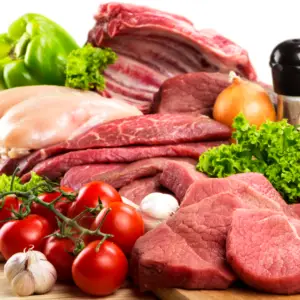
- Chicken, turkey and lean red meat – dense protein with minimal processing
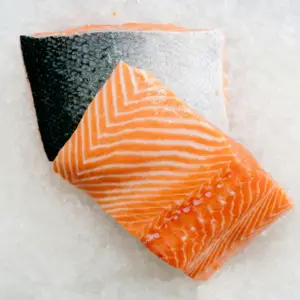
- Oily fish (salmon, mackerel, sardines) – protein plus the omega 3s that matter for joint health and cardiovascular function
- Greek yoghurt and cottage cheese – high protein, easy to use as snacks or a base for a recipe
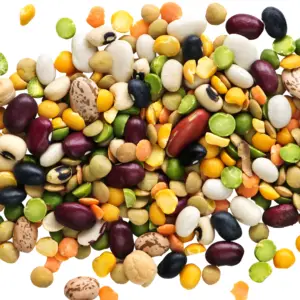
- Legumes (lentils, chickpeas, edamame) – plant protein that also delivers fibre and gut health benefits
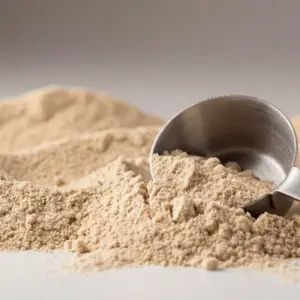
- Quality protein supplements – a useful top-up when food sources aren’t practical, not a replacement

Timing matters more than you might think
Research suggests that distributing protein intake across the day, rather than loading it into one meal, improves muscle protein synthesis in older adults. Aim for a meaningful protein source at breakfast, lunch and dinner, rather than a light start to the day and a protein-heavy dinner.
GUT HEALTH
Gut Health: The Foundation That Affects Everything Else
The relationship between gut health and overall wellbeing has become one of the most significant areas of nutritional research in the last decade. Your gut microbiome – the trillions of bacteria and other microorganisms living in your digestive tract – influences not just digestion but immune function, mental health, inflammation, weight regulation and more.
As we age, gut microbiome diversity tends to decrease, which is associated with a range of negative health outcomes. The good news is that a healthy diet is the most powerful tool available for improving it.
What supports a healthy gut microbiome
- Dietary variety – eating 30 or more different plant foods per week is one of the most evidence-backed targets for microbiome health
- Fermented foods – natural yoghurt, kefir, sauerkraut, kimchi, miso and kombucha introduce beneficial bacteria directly
- Fibre – prebiotic fibre from vegetables, legumes, wholegrains and fruit feeds beneficial bacteria
- Reducing ultra-processed foods – highly processed foods are consistently associated with reduced microbiome diversity
- Moderate alcohol – heavy alcohol intake disrupts the gut microbiome significantly; moderate intake has a much smaller effect
WHAT DOESN’T WORK – FADS & CRASH DIETS
The Diets That Don’t Work and Why You Should Stop Trying Them
The UK weight loss industry is worth billions of pounds. It is also, by most measures, spectacularly unsuccessful. If crash diets worked, there would be no market for the next crash diet. The churn is the business model.
For people over 40, many popular dietary approaches are not only ineffective – they actively work against the things that matter most for long-term health.
Very low calorie diets
Severe calorie restriction triggers the body to protect its fat stores by breaking down muscle tissue for energy – precisely the opposite of what you want when you’re already fighting age-related muscle loss. Short-term weight loss from crash diets is real. Long-term weight loss is not. And the muscle you lose in the process is genuinely hard to get back.
Cutting out entire food groups
Whether it’s cutting carbs, cutting fat, or cutting anything else wholesale, elimination diets tend to fail for the same reason: they’re not sustainable. They also typically reduce dietary variety, which is directly bad for gut health. Moderation and quality matter far more than elimination.
‘Detox’ and ‘cleanse’ programmes
Your liver and kidneys are your detox system. They are very good at their job and do not require assistance from expensive supplements or juice regimes. There is no credible scientific evidence that any commercially available detox or cleanse product meaningfully affects liver function or speeds up the removal of toxins. Save your money.
Following advice designed for younger bodies
A 26-year-old fitness influencer’s meal plan is designed for a 26-year-old’s body, metabolism, hormone levels and lifestyle. Applying it verbatim to a 48-year-old body with different nutritional needs, different recovery requirements and probably a more complex weekly schedule is unlikely to work as advertised.
TLG TIP
The best diet is the one you can sustain for the next thirty years. That’s not a slogan – it’s the entire point.
A POSITIVE FRAMEWORK – WHAT TO ACTUALLY DO
The Three Things That Actually Move the Needle
Strip everything back and the evidence consistently points to three nutritional habits that make the biggest difference for the over-40 body. No plan, no programme, no subscription required.
1. Eat enough protein at every meal
Not a protein shake. Not a protein bar. A real food source of quality protein – eggs, fish, meat, legumes, dairy – at breakfast, lunch and dinner. This single habit supports muscle maintenance, helps regulate appetite and keeps energy levels more stable than any other nutritional change.
2. Eat a wider variety of plants
30 different plant foods per week sounds like a lot. It isn’t. A portion of spinach, a handful of walnuts, a tablespoon of mixed seeds, a tin of chickpeas, an apple, some broccoli – so you’re already whittling down that list. Variety is more important than perfection. Different plants feed different beneficial bacteria in the gut.
3. Reduce ultra-processed food, not whole food
Ultra-processed food – the products with long ingredient lists, artificial flavours, emulsifiers and stabilisers – are associated with almost every negative health outcome you can think of. Whole foods – including whole foods which are calorie-dense are far less damaging. A piece of good cheese, a glass of wine, a bowl of proper pasta – these are not the problem. A diet built primarily around packaged food is.
That’s the lowdown. Got a question, a tip to share or a topic you’d like us to cover? Get in touch at hello@thelongergame.co.uk. We’re building this for the 40+ generation and we want to hear from you.