

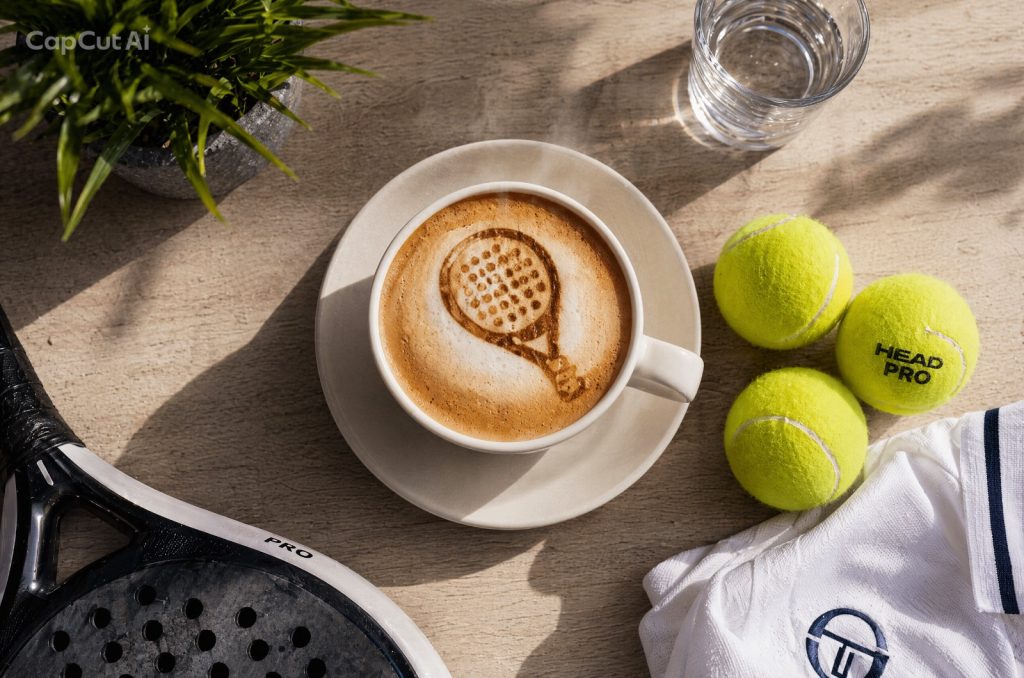
The Complete Beginner’s Guide to Padel in the UK (2026) – Copy
You’ve probably heard the noise (literally!). Maybe a friend came back from a weekend break in Spain raving about it. Perhaps you’ve spotted new glass-walled courts popping up at your local tennis club. Or you’ve simply noticed ‘padel’ appearing everywhere on social media and wondered what all the fuss is about. Here’s the short version: padel is arguably the most accessible, sociable and genuinely fun sport to pick up as an adult – and the UK has gone absolutely mad for it. Whether you’re 42 or 62, a complete non-sporty type or someone returning to activity after years on the sidelines, this article will tell you everything you need to know. We’re The Longer Game – a platform built for UK adults in their 40s, 50s and 60s who are rediscovering sport, adventure and active living on their own terms. Padel is one of our favourite topics and this guide is the one we wish had existed when we started. What you’ll find in this guide: What padel actually is (and how it differs from tennis) | The basic rules | How to find courts near you | What kit you’ll need | Why it’s brilliant for the over-40s | FAQ answers to the most common beginner questions What is Padel? Padel (pronounced PAH-del, not PAY-del, though no one here will judge you…..) is a racket sport that was invented in Mexico in 1969 by Enrique Corcuera. It has grown to become one of the fastest-growing sports in the world, with over 25 million players across more than 90 countries. The short definition: padel is a doubles racket sport played on an enclosed court roughly a third of the size of a tennis court. There are some singles courts dotted around too if you fancied going solo or for a more intense workout! The court is surrounded by glass and metal mesh walls, which are very much in play, meaning the ball can bounce off them, just like in squash. Unlike tennis, you use a solid, stringless paddle (or racket) and the ball bounces once off the ground before you can use the walls. That wall element is what makes padel SO addictive. Shots you’d consider completely lost in tennis can suddenly be retrieved from the back wall, creating long, spectacular rallies that even complete beginners can enjoy within their first session. PADEL TENNIS Court size 10m x 20m (enclosed) 23.77m x 10.97m (open) Racket Solid paddle, no strings Strung racket Walls In play (glass & mesh) Out of bounds Always played Doubles (4 players) Singles or doubles Scoring Same as tennis Same scoring system Serving Underarm only Overhead serve Learning curve Beginner-friendly Steeper to start Typical session 60–90 minutes 60–120 minutes Padel Rules for Beginners: Everything You Need to Know One of padel’s greatest gifts is that the rules are really really simple. If you’ve played any racket sport before, you’ll pick them up within the first 15 minutes on court. If you haven’t, don’t worry, you’ll still be holding your own in your first session. The Basics Serving This is where padel differs significantly from tennis and it’s one of the reasons beginners find it so accessible: The Walls: The Fun Part This is what makes padel ‘padel’. The walls are in play after the ball has bounced once on the floor on your side. Here’s how it works: When the Ball is Out Using the Walls/Mesh Beginner’s tip: Don’t overthink the walls. In your first session, just focus on getting the ball back over the net. The wall play will start to feel natural surprisingly quickly and when you pull off your first back-wall retrieval, that will be it – you’ll be hooked for life! Finding Padel Courts in the UK The UK padel boom is real. In 2022, there were fewer than 300 padel courts in the entire country. By early 2026, that figure has grown dramatically, with new venues opening monthly across England, Scotland and Wales. Courts can be found at: How to Find Padel Near You The easiest way to find courts is via the LTA’s court finder tool, Padel England club finder, Padel Mates or Matchi. These databases are updated regularly and list both indoor and outdoor facilities. Most courts are bookable via apps like PlayByPoint or Playtomic, download one before you go to make booking seamless. (any other options to find courts?) What to Expect at a Padel Court Most padel facilities offer: What Kit Do You Need to Play Padel? One of the most appealing things about padel is that the kit investment is relatively modest, and you certainly don’t need to buy everything at once. Here’s a practical breakdown. Padel Rackets Your racket is your most important piece of equipment. Unlike tennis rackets, padel rackets are solid – made from a foam core wrapped in fibreglass, carbon fibre, or a combination of both. They have no strings and are perforated with holes to reduce air resistance. For beginners, the key things to look for are: [INTERNAL LINK: See our full guide to the best padel rackets for beginners in the UK – when article live – to be supplied Padel Shoes This is genuinely important – please don’t play padel in running shoes or fashion trainers. The court surface (almost always artificial grass or porous concrete) requires shoes with the right grip pattern and lateral support. Padel shoes (and tennis shoes with herringbone (for a clay court) or omni grip soles) are designed for the side-to-side movement that’s central to the game. Running shoes are built for forward motion and can lead to ankle rolls on a padel court. Expect to pay £60–£120 for a good pair of padel shoes. Major brands including Babolat, Bullpadel, Head and Asics all produce padel-specific footwear. [INTERNAL LINK: See our guide to the best padel shoes for beginners in the UK – article to be supplied Padel Balls Padel balls look similar to tennis balls but are slightly smaller and have lower internal